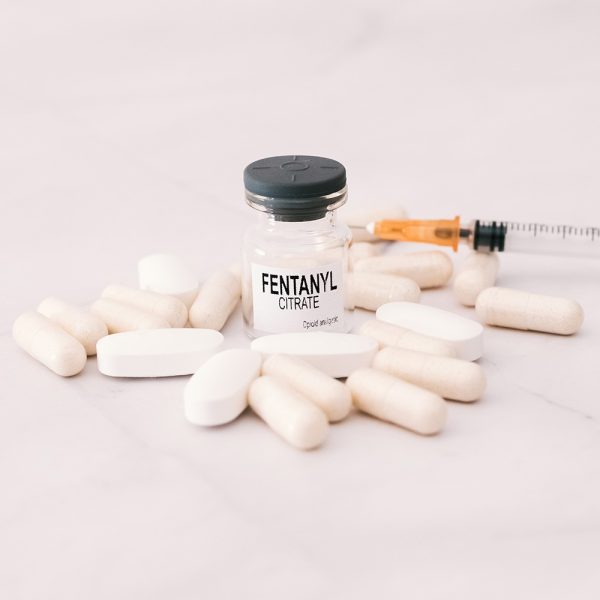
Across the continent, authorities are increasingly alerted by the emergence of fentanyl and its analogues, a highly potent synthetic opioid. Initially detected in certain regions, its detection is now confirmed in a growing range of countries, such as Belgium and Ireland to Germany. While reported usage rates remain smaller those seen in North America, the quick increase in seizures of fentanyl and copyright pills containing it indicates a significant threat to public health. The problem is compounded by the difficulty in identifying these substances and the potential for accidental overdose, particularly among people who may be unknowingly consuming fentanyl instead of different drugs. Officials are working to strengthen detection capabilities and establish harm reduction strategies to tackle this developing crisis.
Europe's Rise of Fentanyl in European Drug Markets
The appearance of fentanyl and its derivatives is rapidly reshaping drug markets across Europe, posing a growing public health risk. Initially detected in specific areas, the presence of these potent synthetic substances has become increasingly widespread, often mixed with other illicit drugs like heroin and copyright, often knowingly by users. This unpredictability drastically increases the likelihood of accidental overdose, overwhelming emergency systems and contributing to a rise in drug-related deaths. Law enforcement agencies are confronting to stem the flow of these substances, which are often synthesized in clandestine sites and transported across borders, presenting a complex problem for international cooperation and national safety.
Fentanyl Online Sales: A Threat to Europe?
The escalating issue of fentanyl online sales poses a serious threat to Europe, demanding urgent attention. Increasingly, illicit fentanyl and its harmful analogues are being transported to European countries via dark web marketplaces and online platforms. While previously a largely North American crisis, the scope of these networks has now extended across the continent, leading to a rise in overdoses and related public health challenges. Law enforcement agencies are encountering to successfully counter these complex, cross-border operations, requiring greater collaboration between member states and coordinated strategies to secure public health and halt the flow of these toxic substances.
Ordering Fentanyl Online in Europe: Risks and Realities
The allure of obtaining potent pain relief online has unfortunately led some individuals in Europe to attempt ordering fentanyl illegally via the internet. However, the reality is fraught with considerable risks. These orders rarely, if ever, result in what the buyer believes they are receiving. Frequently, the substance is either copyright, a completely different and potentially toxic opioid, or, critically, a far smaller and more concentrated dose than prescribed. The lack of regulation means there’s no way to guarantee the purity or strength of the delivered product, leading to a heightened risk of accidental overdose and death. Furthermore, engaging in this activity exposes buyers to criminal charges, as importing and possessing fentanyl without a valid prescription is a serious offense in most European countries. The black market is also rife with fraud, leaving individuals vulnerable to financial exploitation and, crucially, posing a critical threat to their health and safety. Seeking proper medical attention for pain management remains the only safe route.
Europe's Opioid Situation in the Continent Trends and Difficulties
The burgeoning presence of powerful opioids across the region presents a grave public health emergency, distinct from the opioid issue primarily affecting North America. While initially confined to a few countries like Sweden and Ireland, its appearance has now spread to encompass a wider range of nations. This isn't solely a opioid-use issue; the growing prevalence of fentanyl-laced illegal drugs, often masquerading as copyright, poses a unique danger to individuals unaware of the potent adulteration. Challenges include restricted forensic capabilities for quick detection and identification, a lack of understanding among both the public and healthcare professionals, and the intricacy of monitoring the often-shifting supply networks. The somewhat new nature of the issue also impedes the development of effective prevention and treatment strategies, demanding immediate collaborative efforts between regional authorities and international institutions to reduce the damage. The risks are significantly worsened by the rise of fentanyl compounds, constantly evading governmental controls and posing additional challenges to law authorities.
Investigating Illegal this Opioid Distribution in Europe
A growing concern is emerging across Europe as authorities address the increasingly sophisticated and dangerous spread of illegal fentanyl and its analogues. Recent investigations are revealing a complex web of organized networks, often linked to international trafficking routes, enabling the movement of these potent synthetic opioids. While initially believed to be limited to specific regions, information now suggests a wider geographical reach, impacting multiple countries. The methods of transportation are evolving, utilizing innovative techniques to bypass border controls, and frequently involving chemical materials sourced from overseas. Law enforcement agencies are joining forces to break these operations and mitigate the devastating impact on public health, particularly given the risk of accidental overdoses and the significant danger posed by unregulated drug supplies. Additional research is crucial to understand the full extent of this evolving threat and to develop effective prevention and intervention strategies.
Exploring Fentanyl and Europe: Understanding the Relationship
While often linked with the North American opioid crisis, the presence of fentanyl and its derivatives is increasingly becoming a problem for Europe. Initially identified primarily in illicit drug seizures originating from Asia, fentanyl's presence has rapidly spread across the continent. This isn't solely about direct fentanyl; the finding of fentanyl precursors – substances needed to create the drug – suggests a growing complexity in European illicit drug networks. Authorities are striving to determine the routes of entry, the underground organizations involved, and the consequence on public safety. In addition, the relative reduced cost of production and the high potency of fentanyl make it an tempting option for drug suppliers seeking to boost their profits, posing a serious challenge to law enforcement and public services across Europe.
The Dark Web and Fentanyl: Europe's Hidden Problem
Agrowing risk is silently permeating across Europe: the clandestine distribution of fentanyl and its deadly analogs via the Dark Web. This shadowy corner of the internet provides a online marketplace for illicit substances, making it increasingly difficult for law enforcement agencies to stem the flow of these potent opioids. Unlike traditional drug trafficking routes, Dark Web operations are often decentralized and untraceable, making location of the individuals involved a significant hurdle. The relatively low cost of fentanyl production, combined with its significant potency, makes it incredibly tempting to criminal organizations looking to maximize profits while minimizing physical risk. This alarming trend is contributing to a surge in overdose deaths and poses a serious challenge to public health across the continent, demanding prompt action and enhanced international collaboration to mitigate its impact.
A Fentanyl Challenge in Europe
The emergence of fentanyl and its analogues presents a increasing concern to public health across Europe. While historically associated primarily with North America, the presence of these potent synthetic opioids is now alarmingly expanding, leading to a concerning rise in overdose deaths and related harms. Initial observations indicated a limited presence, often linked to illicit drug trafficking routes from Asia and, to a lesser extent, Central America. However, recent investigations have revealed local production and distribution networks, blurring the lines of origin and increasing accessibility to users. This circumstance is particularly worrying due to fentanyl’s extraordinarily high potency—often 50 to 100 times stronger than morphine—meaning even minute quantities can be fatal and users are often unaware of its presence in the drugs they are consuming, which often get adulterated with other substances. Public health responses are being hampered by scarce resources, a lack of readily available reversal agents, and the need for enhanced data monitoring and international collaboration to effectively address this evolving crisis. The impact extends beyond immediate overdoses, placing a strain on emergency services and healthcare systems while fueling broader issues of drug-related crime.
Tackling Fentanyl Distribution in Europe
The emerging presence of fentanyl and its lethal analogues poses a significant challenge to law enforcement and public health agencies across Europe. Illicit networks are increasingly exploiting vulnerabilities in borders and distribution chains to transport these substances, often concealed within legitimate shipments or utilizing sophisticated methods. Efforts to thwart fentanyl distribution involve a multifaceted approach. This includes enhanced cross-border cooperation – sharing intelligence and coordinating investigations – as well as bolstering detection capabilities at borders. Furthermore, the focus is shifting towards dismantling the originating production and chemical supply chains, working with partner countries to stop the manufacture and dispatch of fentanyl precursors. Finally, increased public awareness campaigns and improved access to support are crucial components in reducing the devastating impact of this hazardous opioid.
Fentanyl-Related Overdoses in Europe: A Statistical Snapshot
The detection of fentanyl and its derivatives in Europe has spurred a worrying increase in overdose occurrences. While historically concentrated in North America, the illicit drug scene in Europe is now facing a significant challenge. Recent data from the European Monitoring Centre for Drugs and Drug Addiction (EMCDDA) suggest a steady rise in fentanyl-related fatalities across several nations, including but not limited to Austria. Estimates point to that while the overall number of overdoses remains lower than in the United States, the rate of increase is alarming, particularly in areas with existing opioid use. Particular challenges include the prevalence of fentanyl being mixed with other drugs, often without the person’s knowledge, leading to unintentional and frequently fatal overdoses. The accessibility of fentanyl test strips is also growing as harm reduction strategies gain traction across the continent, though their utility depends on broad adoption and reliable usage.
The Fentanyl Crisis: Mitigation and Action
The emergence of fentanyl in Europe represents a critical public health threat, demanding urgent responses. While traditionally associated primarily with North America, rapidly potent and illicitly manufactured opioids are now appearing across the continent, contributing a rise in overdose. Effective proactive measures must include heightened public awareness campaigns targeting young populations, focused on the dangers of street drugs and the potential for unintentional overdose. Furthermore, expanding access to antidote and promoting safer use programs – like supervised consumption sites – are essential for emergency intervention and protecting lives. Finally, strengthening police work efforts to target the supply chain of the dangerous substances remains essential to addressing this complex situation.
Digital Fentanyl Sales: Targeting Europe's Vulnerable
pA increasing danger of internet fentanyl distribution is rapidly spreading across Europe, in particular preying on at-risk populations. Unlawful networks are utilizing encrypted messaging apps and dark web marketplaces to ship the dangerous opioid directly to individuals throughout the region, often evading traditional law enforcement channels. Studies indicate a considerable rise in intercepts of fentanyl and its ingredients, coupled with a concerning increase in deaths linked to illegally obtained fentanyl. Initiatives to combat this cross-border situation are intensifying, emphasizing on disrupting delivery chains, raising understanding among young people, and providing critical treatment for those struggling with opioid abuse.
A Risks of Purchasing Fentanyl Online in the continent
The increasing availability of fentanyl and its counterfeits online poses a serious and expanding risk to individuals across Europe. While seemingly convenient, procuring these dangerous opioids from unregulated online sources presents a significant array of dangers. To begin with, there’s no guarantee of the substance's authenticity; what a user assumes is fentanyl may be a unidentified and even far harmful substance, or a combination of various drugs. In addition, the dosage is often unreliable, greatly increasing the risk of unintentional overdose. Lastly, illegal online pharmacies do not have proper quality control and safety measures, and any private information shared is vulnerable to cybercrime. Authorities across Europe are aggressively working to tackle this problem, but individuals must be acutely aware of the extremely life-threatening consequences of engaging this practice.
{Fentanyl: A Emerging Threat for EU Drug Patrons
A alarming situation is developing across Europe as fentanyl increasingly surfaces in the drug market. Initially considered to be primarily a issue in North America, its presence is now turning out to be a critical challenge for law enforcement and healthcare officials. Users are often unaware that they are consuming fentanyl, which is considerably more potent than common opioids like heroin, causing a spike in overdose deaths. Efforts to raise awareness and introduce safety strategies are seriously needed to mitigate the harmful impact of this lethal drug.
EU Law Enforcement and the Fentanyl Challenge
The escalating appearance of synthetic opioids across Europe poses a serious challenge to law enforcement agencies. Historically, focused on combating cannabis trafficking, these agencies are now grappling with the swift proliferation of extremely dangerous fentanyl and its derivatives. The comparatively small quantities needed to produce a fatal dose, coupled with its ease of concealment and the rise of internet marketplaces, impede investigations. Transnational cooperation is absolutely essential, requiring the sharing of information and expertise to break complex organized crime syndicates and safeguard public health. Furthermore, instruction for officers on opioid recognition and harm reduction techniques remains a essential priority.
Growing Fentanyl Availability Online: A European Perspective
The emerging trend of fentanyl and its analogues appearing on online marketplaces is causing considerable concern across Europe. While the scale of the problem is generally less prevalent than in North America, its rapid development presents a grave challenge for law enforcement and public health agencies. Criminal networks are increasingly employing encrypted messaging apps and dark web platforms to facilitate the distribution of these synthetic opioids, often disguised as other substances. European countries are dealing the difficulty of effectively identifying these illicit operations and preventing the arrival of fentanyl into communities, particularly given the sophistication of the techniques used. Rapid response strategies are being implemented to address the threat, but a unified European approach is essential to truly reduce this escalating online problem.
Fentanyl-Laced Drugs: Europe's Emerging Menace
Europe is grappling with a rapidly growing public health crisis as fentanyl is increasingly found as an adulterant in the illegal drug supply. Initially noticed primarily in Central Europe, this dangerous phenomenon is now extending across the continent, creating a significant risk to vulnerable populations. Users commonly unaware that they are consuming fentanyl, due to its extreme potency—far greater than heroin—face a severe risk of accidental poisoning. Law enforcement are striving to disrupt the manufacture and distribution of these tainted drugs, but attempts are complicated by the difficulty of the underground operations involved and the simplicity with which fentanyl can be smuggled across borders. Public awareness campaigns are also vital to reducing the number of accidental deaths.
Acquiring Fentanyl Online in Europe: Juridical Consequences
The allure of simplicity offered by online pharmacies has, unfortunately, created a dangerous avenue for individuals seeking illicit substances like fentanyl. Ordering more info fentanyl online in Europe, regardless of the jurisdiction, carries incredibly serious criminal repercussions. It is absolutely crucial to understand that these actions are not merely a insignificant infraction; they constitute a severe crime with potentially devastating consequences. Receiving fentanyl, a highly potent opioid, without proper authorization is illegal in every European nation and carries penalties including hefty fines, lengthy imprisonment, and a permanent judicial record. The source of the drug, whether a fraudulent online pharmacy or a dark web marketplace, is irrelevant – the act of possessing and attempting to obtain fentanyl illegally places individuals at significant danger. Furthermore, the risks extend beyond personal legal trouble; individuals may face charges related to illegal distribution if authorities suspect involvement in a larger operation. European law enforcement agencies are increasingly sophisticated in spotting and disrupting these online underground networks, utilizing advanced methods to trace and prosecute offenders. Seeking help for opioid addiction is always the safest and most responsible path.
A Fentanyl Supply: Europe's Global Connection to Output
While the fentanyl crisis is often centered on North America, a European involvement in this deadly chain is increasingly receiving focus. Several European countries serves as the crucial point for the transfer of fentanyl and its ingredients, often originating from China. Sophisticated routes involving multiple syndicate groups facilitate illegal transport of these materials across borders, often utilizing legitimate trading routes to evade investigation. Additionally, A European companies, knowingly or unknowingly, have been involved in the movement of fentanyl ingredients, highlighting a need for enhanced international collaboration and rigorous control to disrupt its global output and lessen its devastating impact.